
Lot Traceability
The Certificate Was Real. It Just Was Not For Your Vial.
A certificate describes one lot, at one strength, tested on one date. Not the product. Not the brand. Not the vial that showed up at your door last week, unless three details match. Almost nobody checks them.
 Visit AKRO Research →
The supplier says every product has a certificate. You open it. Real lab, real numbers, real pass. Done.
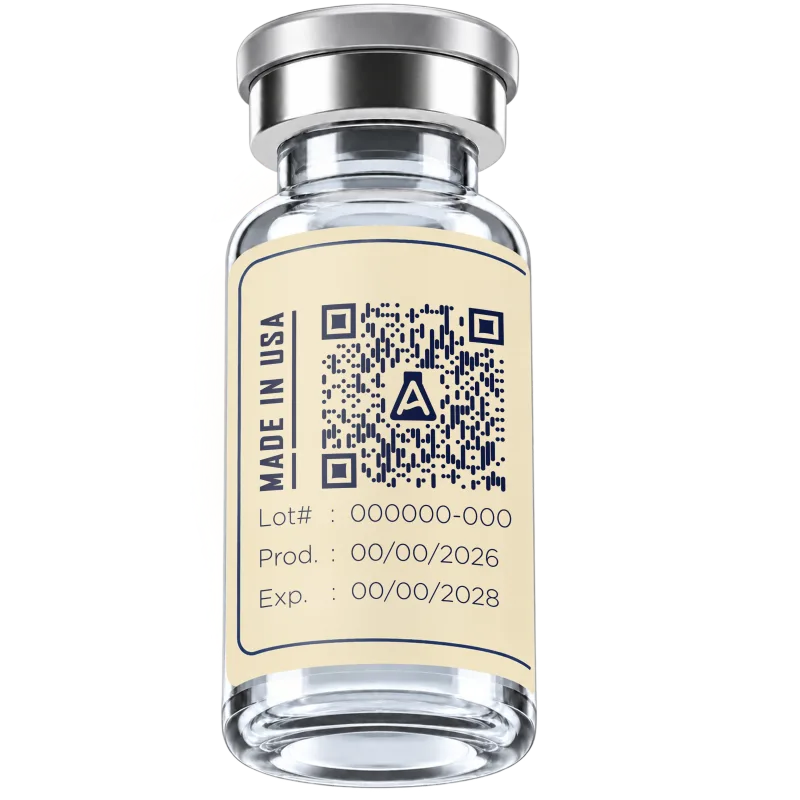
Now look at the lot number on that certificate. Then turn your vial around and look at the lot number on the label.
Same? Then the certificate is about your vial. Different? Then you are holding a perfectly real report about material you never received.
AKRO Research ties every published record to a product, a strength and a lot.
Each vial's back label carries its lot number, production date and expiry. The record on the product page names the lot it describes, and says so plainly when no lot is published yet.
Claim Buy 1, Get 1 →1A certificate is a report on one lot
Material is made in lots. Each lot is tested on its own. The certificate is the result of that one test, on that one lot. It is not a lifetime guarantee for the product name.
Think of a car inspection. It covers one car, on one day. It does not cover every car of the same model.
Same product name does not mean same lot. Same lot is the only thing that counts.
2The easiest shortcut in the business
One good report. Attach it to every order of that product, forever. New lots come and go, the same file stays on the page.
It is not always deliberate. Sometimes nobody updates the page. Either way, the buyer ends up holding proof for a lot that sold out months ago.
A certificate that never changes is describing a lot that no longer exists.
 Visit AKRO Research →
3Strength matters too
Most products come in several sizes. A record for the large vial is not a record for the small one, even if the name on both is identical. Different fill, different run, often a different lot.
Honest pages tell you this. One AKRO product page right now says, in plain words, that the record shown is for its 60mg lot and no lot has been published for the 10mg size yet.
That is not a weakness. That is a supplier refusing to let one document stand in for another.
Product, strength, lot. All three have to match, or the record is about something else.
The match AKRO's own documentation guide asks buyers to make: product name, strength and lot number.
4On a multi-vial order, check every vial
Three vials can be three lots. Matching the first one tells you about the first one. Turn all of them around.
One match covers one vial. Check them all.
5The thirty second check
- Turn the vial around. Find the lot number on the back label.
- Open the record for that product and strength. On the product page, not a generic library.
- Compare the lot numbers. They match, or the record is about another lot.
- Check the dates. Test date, production date, expiry. They should make sense together.
Thirty seconds. It is the difference between proof and paperwork.
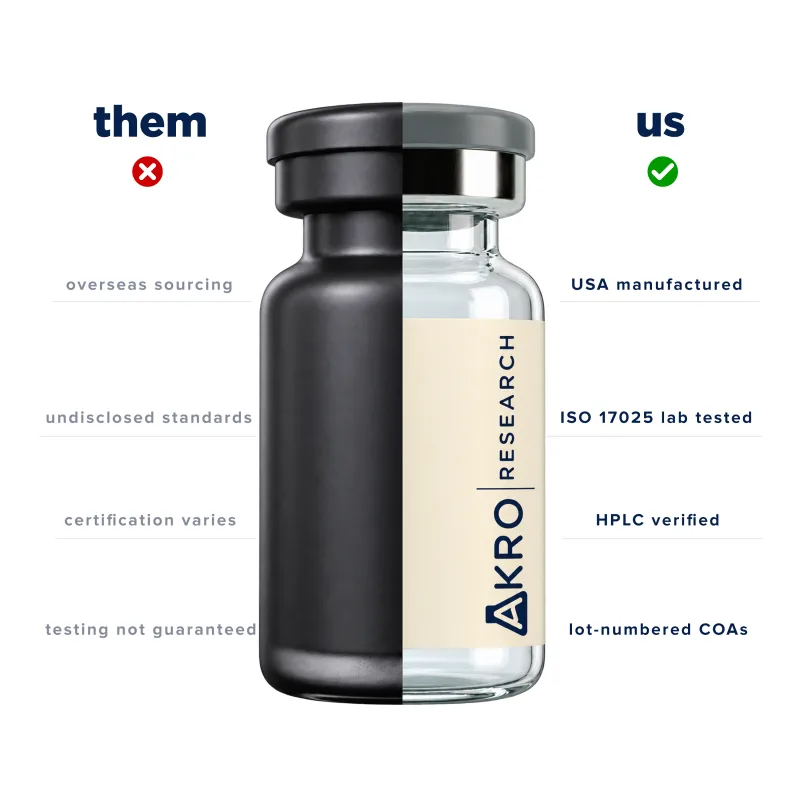
| Traceability | AKRO Research | Typical listing |
|---|---|---|
| Lot number on the vial | Printed on the back label | Often missing |
| Record tied to strength | Yes, stated per strength | One file for all sizes |
| Current vs previous lots | Kept as separate records | Same file, never updated |
| No record published yet | Page says so | Old file shown anyway |
| Production and expiry dates | On the label | Rarely |
Turn the vial around. Then decide.
Match the lot on the label to the lot on the record before you trust either one. Buy 1, Get 1 Free is live on AKRO Research now.
Claim Buy 1, Get 1 →
Comments
Pulled out an old vial from another supplier. No lot number on it at all. Nothing to match.
Same. The certificate they sent me was dated before the product even launched.
The strength point got me. I always assumed one certificate covered every size.
Respect a page that says "no lot published yet" instead of faking it. That is what made me trust the rest.
Lot on the label matched the record. Took longer to find my glasses than to check it.